

Have you ever looked up at a skyscraper and felt tiny? Tall buildings do more than fill a city skyline—they can spark emotions, tell stories, and symbolize dreams, power, hope, or even loneliness. That is why many writers search for the perfect metaphor for tall buildings. A strong metaphor can transform an ordinary description into a memorable image that stays with readers long after they finish reading.
Whether you’re writing a poem, short story, school essay, novel, or social media caption, metaphors help you paint vivid mental pictures. Instead of simply saying a building is tall, you can compare it to something unexpected, making your writing richer and more expressive.
In this guide, you’ll discover creative, poetic, symbolic, and beginner-friendly metaphors for tall buildings. You’ll also learn how metaphors differ from similes, how to create your own, and how to avoid common mistakes while using figurative language.
A metaphor for tall buildings compares a skyscraper or high-rise to another object without using “like” or “as.” For example, calling a skyscraper “a giant reaching for the clouds” suggests height, ambition, and power while creating vivid imagery.
What Is a Metaphor for Tall Buildings?
A metaphor for tall buildings is a figurative comparison that describes a building as something else to create stronger emotional or visual meaning.
Instead of saying:
- The building was very tall.
You could write:
- The building was a stone giant watching over the city.
This simple comparison helps readers imagine not just the height but also the feeling the building creates.
Metaphors are widely used in:
- Creative writing
- Poetry
- Fiction
- Essays
- Speeches
- Travel writing
- Architecture descriptions
They make descriptive writing more engaging and memorable.
Quick List of Metaphors for Tall Buildings
| Metaphor | Meaning |
|---|---|
| Giant reaching for the clouds | Great height and ambition |
| Stone giant | Massive strength |
| Glass mountain | Towering beauty |
| Urban tree | Growing above everything |
| Concrete forest king | Dominating the skyline |
| Sky ladder | Connecting earth and heaven |
| Steel guardian | Protecting the city |
| Modern castle | Symbol of power |
| Silent titan | Quiet but impressive |
| Beacon of dreams | Represents hope |
| Vertical kingdom | A world rising upward |
| City lighthouse | Guiding people |
| Towering flame | Bright and energetic |
| Frozen waterfall | Elegant vertical form |
| Giant mirror | Reflecting the sky |
| Mountain of glass | Massive yet beautiful |
| Crown of the skyline | Most noticeable building |
| Sleeping giant | Powerful but calm |
| Iron giant | Strong and enduring |
| Sky bridge to tomorrow | Symbol of progress |
Beautiful Metaphors for Tall Buildings
Here are emotionally rich metaphors that add beauty to your writing.
1. A Giant Touching Heaven
A building that seems close enough to touch the sky.
2. The City’s Crown
The tallest structure becomes the jewel of the skyline.
3. A Glass Waterfall
Its reflective windows shimmer like falling water.
4. A Steel Tree
It grows upward instead of outward, standing firm through every storm.
5. A Silent Guardian
Watching over the streets without saying a word.
6. A Ladder to the Stars
Suggests dreams, hope, and endless ambition.
7. A Mountain Born by Humans
Combines nature with engineering.
8. A Beacon of Tomorrow
Represents innovation and progress.
9. A Castle Without Kings
A modern fortress filled with workers instead of royalty.
10. A Pillar Holding the Sky
Creates a mythical image of impossible strength.
Poetic and Deep Metaphors for Tall Buildings
If you’re writing poetry or emotional prose, these metaphors add depth and symbolism.
- The city grew stone flowers toward the sun.
- Every tower became a prayer reaching upward.
- Skyscrapers were frozen dreams.
- The skyline wore a crown of silver needles.
- Buildings stood like forgotten giants.
- The streets lived beneath sleeping mountains.
- Towers stitched the earth to the clouds.
- Steel blossoms opened into the sky.
- Glass giants whispered to the morning sun.
- The city stretched its fingers toward tomorrow.
- Each skyscraper carried humanity’s hopes on its shoulders.
- Towers became silent poems written in steel.
- Buildings were candles lighting the horizon.
- The skyline sang without making a sound.
- Every rooftop touched another dream.
Metaphor for Tall Buildings in Creative Writing
Metaphors help readers see ordinary buildings in extraordinary ways.
In Stories
The glass giant guarded the city while everyone slept.
The building now feels alive and important.
In Poetry
Towers bloomed like dreams carved from steel.
This creates emotional imagery instead of simple description.
In School Essays
Instead of writing:
The building was tall.
Write:
The skyscraper stood as the city’s proud crown.
In Travel Writing
Describe the skyline as:
A forest of steel giants greeting the sunrise.
Metaphor vs Simile
| Feature | Metaphor | Simile |
|---|---|---|
| Meaning | Says one thing is another | Compares using “like” or “as” |
| Grammar | Direct comparison | Uses comparison words |
| Emotional Impact | Stronger and more vivid | Softer and more descriptive |
| Example | The skyscraper was a giant. | The skyscraper was like a giant. |
| Common Mistake | Mixing literal and figurative meanings | Forgetting “like” or “as” |
Why People Confuse Metaphors and Similes
Both metaphors and similes compare two different things.
The key difference is simple.
A metaphor says something is another thing.
- The tower is a mountain.
A simile says something is like another thing.
- The tower is like a mountain.
Because both create imagery, beginners often mix them up. Remember this simple rule:
- Metaphor = is
- Simile = like or as
Real-Life Conversation Examples
School
Student: How can I describe the skyscraper better?
Teacher: Call it a giant reaching for the clouds.
🎯 Lesson: Metaphors make descriptions more vivid.
Classroom
Student: My sentence sounds boring.
Teacher: Try saying the building was the city’s crown.
🎯 Lesson: Creative comparisons improve writing.
Poetry Club
Poet: My skyline feels empty.
Friend: Imagine every tower as a frozen dream.
🎯 Lesson: Symbolic metaphors add emotion.
Social Media
Friend: Amazing city view!
Caption: Tonight the skyline wore a crown of stars.
🎯 Lesson: Metaphors make captions memorable.
How to Create Your Own Metaphor for Tall Buildings
Creating original metaphors is easier than you might think.
1. Visualize the Building
Ask yourself:
- What shape does it remind you of?
- What does it resemble from far away?
2. Connect an Emotion
Does it feel:
- Powerful?
- Peaceful?
- Lonely?
- Hopeful?
- Proud?
3. Think Symbolically
Tall buildings often symbolize:
- Success
- Progress
- Dreams
- Strength
- Human ambition
4. Combine the Ideas
Height + emotion = memorable metaphor.
For example:
- A lighthouse of ambition
- A stone guardian
- A glass flame
- A mountain of dreams
- A staircase to tomorrow
Common Mistakes Beginners Make
Using Clichés Too Often
Mistake: Every building is “touching the sky.”
Better: Create fresh comparisons.
Mixing Too Many Images
Bad example:
The tower was a giant flower bird mountain.
Choose one clear metaphor.
Forgetting the Emotion
A metaphor should create feeling, not just describe appearance.
Explaining the Metaphor Too Much
Trust readers to understand the comparison naturally.
Related Figurative Language Terms
Simile
Compares two things using “like” or “as.”
Imagery
Uses descriptive language that helps readers picture a scene.
Personification
Gives human qualities to non-human things.
Example:
The skyscraper watched over the city.
Symbolism
Uses an object to represent a bigger idea.
A tall building may symbolize success or ambition.
Hyperbole
Uses intentional exaggeration.
Example:
The building touched the stars.
Frequently Asked Questions
What is the best metaphor for tall buildings?
“A giant reaching for the clouds” is one of the most popular because it combines height with ambition and vivid imagery.
Are metaphors better than similes?
Neither is better. Metaphors create stronger, more direct comparisons, while similes are often easier for beginners to understand.
Can I use tall building metaphors in essays?
Yes. They make essays more descriptive and engaging when used naturally.
Why do writers use metaphors for skyscrapers?
They help readers visualize height, power, beauty, emotion, and symbolism more effectively than literal descriptions.
Can metaphors make my writing better?
Yes. Strong metaphors improve descriptive writing, create emotional imagery, and make your work more memorable.
What emotions can tall buildings symbolize?
They often symbolize ambition, hope, strength, achievement, loneliness, resilience, innovation, and human progress.
Symbolism of Tall Buildings in Literature
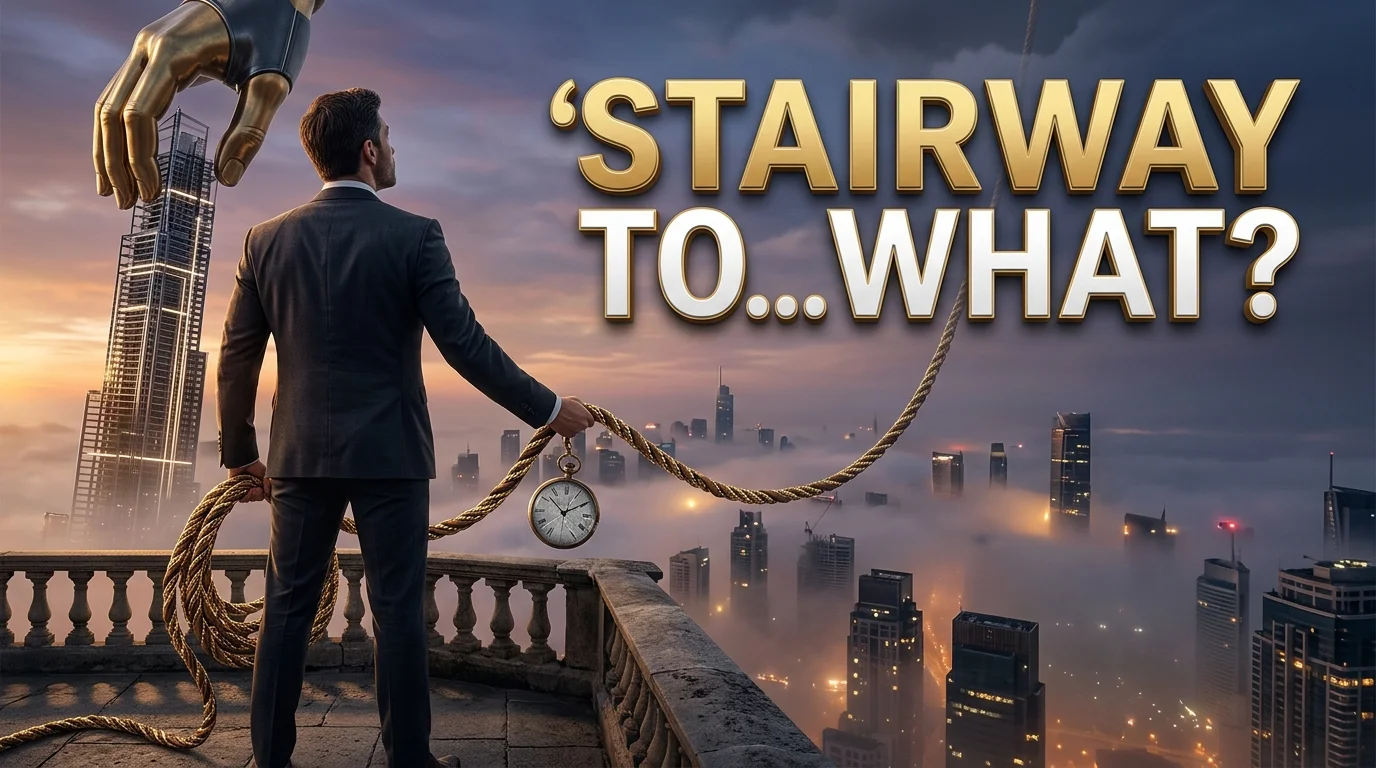
Throughout literature, architecture often reflects the human spirit. Tall buildings are more than physical structures—they symbolize aspiration, resilience, and the desire to reach beyond ordinary limits. In modern stories, skyscrapers can represent economic power, technological progress, or personal success. At the same time, an isolated tower may suggest loneliness, distance, or the burden of responsibility.
Authors also use towering buildings to contrast humanity with nature, showing both the brilliance and the limits of human achievement. Depending on the story, the same skyscraper can become a monument to hope or a reminder of pride.
Conclusion
A well-chosen metaphor for tall buildings can turn a simple description into a vivid and memorable image. Whether you compare a skyscraper to a giant, a mountain, a lighthouse, or a ladder reaching toward the stars, the right metaphor adds emotion, symbolism, and creativity to your writing. By understanding how metaphors differ from similes and practicing your own original comparisons, you’ll develop stronger descriptive writing skills. Keep observing the world around you, connect what you see with what you feel, and let your imagination build metaphors that stand just as tall as the buildings they describe.