
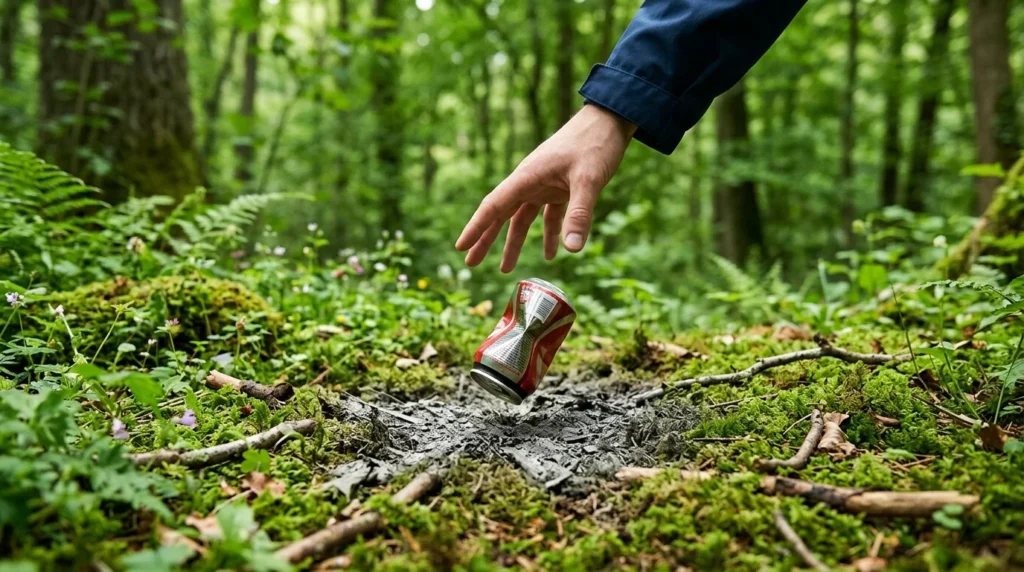
Finding the right metaphor for littering can make an environmental message much more powerful. Instead of simply saying that people leave trash on the ground, a metaphor helps readers picture the harm litter causes to streets, parks, beaches, rivers, and wildlife.
For example, you might say, “Littering is a scar on the Earth.” The Earth does not literally have a scar. The metaphor shows that careless waste leaves a visible mark on the environment.
Metaphors are useful in essays, speeches, poems, stories, school assignments, and environmental campaigns. A strong comparison can turn an ordinary statement into an image that readers remember.
In this article, you will find simple and creative metaphors for littering, their meanings, examples in sentences, and tips for creating your own. Whether you need an easy metaphor for a school project or a more powerful phrase for persuasive writing, these examples will help you choose the right one.
What Is a Metaphor for Littering?
A metaphor for littering is a direct comparison that describes littering or its effects by saying it is something else. The comparison helps readers understand the problem through a familiar image.
For example, “Littering is a wound on nature” compares environmental damage to a physical wound.
Simple Definition
A metaphor for littering is a creative way to describe the harmful effects of throwing waste carelessly by comparing littering to something meaningful, such as a scar, wound, stain, poison, or burden.
Why Use a Metaphor for Littering?
Metaphors make environmental writing more memorable because they turn an abstract problem into something readers can imagine.
They can help you:
- Explain environmental damage clearly
- Create an emotional response
- Make an essay more interesting
- Strengthen a persuasive argument
- Add creativity to poems and stories
- Make an environmental message easier to remember
Best Metaphors for Littering
Different metaphors highlight different aspects of littering. Some focus on damage, while others emphasize ugliness, pollution, or responsibility.
| Metaphor | What It Means |
|---|---|
| Littering is a scar on the Earth. | Litter leaves lasting environmental damage. |
| Littering is a wound on nature. | Waste harms natural spaces and ecosystems. |
| Trash is a stain on the city. | Litter makes public places look dirty and neglected. |
| Litter is poison for the planet. | Waste can harm the environment and living things. |
| Trash is an unwanted guest in nature. | Garbage does not belong in natural places. |
| Littering is a silent attack on the Earth. | Small acts of littering can create serious damage over time. |
| The street is a graveyard of forgotten trash. | Abandoned waste makes an area look neglected. |
| Plastic is a cage for wildlife. | Plastic waste can trap or endanger animals. |
| Litter is a burden carried by nature. | The environment has to deal with human waste. |
| Littering is a thief that steals beauty. | Garbage takes away the beauty of clean surroundings. |
Powerful Metaphors for Littering
Some metaphors are especially effective when you want your writing to create a strong emotional impact.
Littering Is a Scar on the Earth
“Littering is a scar on the Earth” suggests that waste leaves a visible and lasting mark on the environment.
For example:
Every plastic bottle left on the beach becomes another scar on the Earth.
This metaphor works well in environmental essays because a scar represents damage that remains after an injury.
Littering Is a Wound on Nature
A wound suggests harm that needs attention and care.
For example:
Every piece of trash thrown into the forest is a wound on nature.
This metaphor is useful when discussing the effects of litter on plants, animals, and ecosystems.
Littering Is a Silent Attack
Littering may seem like a small act, but millions of small acts can create a much larger problem.
For example:
Littering is a silent attack on the places we call home.
The word “silent” emphasizes that environmental damage can happen gradually without people noticing its full impact.
Litter Is Poison for the Planet
This metaphor compares waste with something harmful that can damage living things.
For example:
Plastic waste is poison for the planet, slowly spreading through our environment.
This is particularly useful when writing about pollution and environmental responsibility.
Creative Metaphors for Littering
If you are writing a poem, story, poster, or creative essay, you can use more imaginative comparisons.
Trash Is an Unwanted Guest
Trash does not belong in parks, forests, beaches, or other natural spaces.
For example:
The empty bottles scattered across the park were unwanted guests that nobody invited.
This metaphor makes litter seem out of place and unwanted.
The City Is Wearing a Coat of Trash
This metaphor creates a strong visual image of a dirty city.
For example:
After the festival, the city wore a coat of trash.
It is especially effective when describing streets covered with bottles, wrappers, cans, and other waste.
The Ocean Is a Prison of Plastic
This metaphor draws attention to the danger plastic pollution can create for marine animals.
For example:
The ocean has become a prison of plastic for countless sea creatures.
The image suggests that animals can become trapped or harmed by human waste.
Litter Is a Thief That Steals Beauty
This metaphor focuses on how litter changes the appearance of beautiful places.
For example:
Litter is a thief that steals the beauty from our parks and beaches.
It works well in persuasive writing because it connects littering with the loss of something valuable.
Simple Metaphors for Students
Students often need metaphors that are creative but easy to understand. These examples are simple enough for school essays and assignments:
- Littering is a scar on the Earth.
- Littering is a wound on nature.
- Trash is a stain on our community.
- Litter is poison for the environment.
- Trash is an unwanted guest in the park.
- Plastic waste is a cage for wildlife.
- Littering is a thief that steals beauty.
- The street is a river of rubbish.
- Trash is a burden on nature.
- Littering is a silent attack on our planet.
Metaphors for Littering in a Sentence
Using a metaphor in a complete sentence can make its meaning clearer.
Example 1: Scar
Metaphor: Littering is a scar on the Earth.
Sentence:
Every plastic wrapper left on the hiking trail becomes a scar on the Earth.
Example 2: Wound
Metaphor: Littering is a wound on nature.
Sentence:
Careless littering creates another wound on nature every day.
Example 3: Unwanted Guest
Metaphor: Trash is an unwanted guest.
Sentence:
Plastic bottles are unwanted guests in our beautiful parks.
Example 4: Thief
Metaphor: Litter is a thief that steals beauty.
Sentence:
Litter is a thief that steals the beauty of our beaches.
Example 5: Poison
Metaphor: Litter is poison for the planet.
Sentence:
Plastic waste acts like poison for the planet when it accumulates in the environment.
Metaphor vs. Simile for Littering
Metaphors and similes both make comparisons, but they are structured differently.
| Metaphor | Simile |
|---|---|
| Makes a direct comparison | Uses “like” or “as” |
| Littering is a scar on Earth. | Littering is like a scar on Earth. |
| Trash is poison for nature. | Trash spreads like poison through nature. |
| The city is a garbage dump. | The city looks like a garbage dump. |
Easy Way to Remember
A simple rule can help:
Metaphor = direct comparison
Simile = comparison using “like” or “as”
For example:
Litter is a stain on the city. → Metaphor
Litter spreads like a stain across the city. → Simile
Both can be effective, but metaphors often sound more direct and powerful.
How to Create Your Own Metaphor for Littering
Creating an original metaphor becomes easier when you first decide what part of littering you want to describe.
Identify the Effect of Littering
Think about what litter does to the environment.
It can:
- Make places unattractive
- Harm animals
- Pollute water
- Damage ecosystems
- Create unhealthy surroundings
- Show a lack of responsibility
Choose a Matching Image
Now connect the effect with something that has a similar meaning.
| Idea | Possible Image |
|---|---|
| Environmental damage | Wound |
| Lasting damage | Scar |
| Ugliness | Stain |
| Harm | Poison |
| Something unwanted | Guest |
| Loss of beauty | Thief |
| Heavy responsibility | Burden |
| Danger to animals | Cage |
Make the Comparison Direct
Instead of writing:
Littering is like a wound.
Write:
Littering is a wound on the environment.
The second sentence creates a direct metaphor.
Keep It Clear
A metaphor should make your message stronger, not harder to understand.
Instead of:
Littering represents an environmental tapestry of destructive human interaction.
Write:
Littering is a wound on nature.
Simple language often creates the strongest image.
Common Mistakes When Using Metaphors for Littering
Even a creative metaphor can become ineffective if it is unclear or overly complicated.
Mixing Metaphors and Similes
Avoid combining several comparisons in one sentence.
Weak:
Littering is like a scar that is a wound and spreads as poison.
Better:
Littering is a wound on nature.
Choose one strong image and develop it clearly.
Making the Metaphor Too Complicated
A metaphor should help the reader understand your point.
Avoid using complicated words simply to sound impressive. A clear comparison such as “Litter is a stain on the city” is often more effective than an elaborate phrase.
Choosing the Wrong Metaphor
Make sure the comparison matches your intended meaning.
If you want to emphasize long-lasting damage, “scar” is a strong choice.
If you want to show that trash does not belong somewhere, “unwanted guest” is more appropriate.
Best Metaphor for Littering in an Essay
For a general school or environmental essay, one of the strongest choices is:
“Littering is a scar on the face of the Earth.”
It is simple, visual, and easy to understand. The image of a scar suggests that careless littering leaves damage behind instead of simply disappearing.
For a more emotional essay, you could use:
“Every piece of litter is another wound inflicted on nature.”
This version connects individual pieces of trash with the larger problem of environmental damage.
FAQs About Metaphors for Littering
What is a good metaphor for littering?
A strong metaphor is “Littering is a scar on the Earth.” It shows that careless waste leaves visible and lasting damage on the environment.
What is a creative metaphor for trash?
“Trash is an unwanted guest in nature” is a creative metaphor. It shows that garbage does not belong in parks, forests, beaches, or other natural spaces.
What is a metaphor for pollution?
One effective metaphor is “Pollution is poison for the planet.” It emphasizes that pollution can harm the environment and living organisms.
What is a simple metaphor for littering for students?
“Littering is a wound on the Earth” is a simple and effective metaphor. It compares environmental damage with a physical injury.
Is “littering is like poisoning the Earth” a metaphor?
No. It is a simile because it uses the word “like.” A metaphor would make the comparison directly, such as “Littering is poison for the Earth.”
How do you use a metaphor about littering in an essay?
Introduce the metaphor while discussing the effects of littering, then explain its meaning. For example, you can describe litter as a scar on the Earth and explain that waste leaves lasting damage on natural and public spaces.
What is the strongest metaphor for littering?
There is no single best metaphor for every situation, but “Littering is a scar on the Earth” is an excellent general choice because it is clear, memorable, and emotionally effective.
Conclusion
A strong metaphor for littering can turn a simple environmental message into a vivid picture. Instead of merely saying that litter makes a place dirty, you can describe it as a scar on the Earth, a wound on nature, an unwanted guest, or a stain on the city.
The best metaphor depends on what you want your reader to feel or understand. For a school essay, choose a simple comparison that is easy to explain. For a speech or campaign, choose an image that creates emotion. For creative writing, you can experiment with more imaginative comparisons.
The most effective metaphor is not necessarily the most complicated one. It is the one that makes the reader see the problem clearly and remember it afterward.