
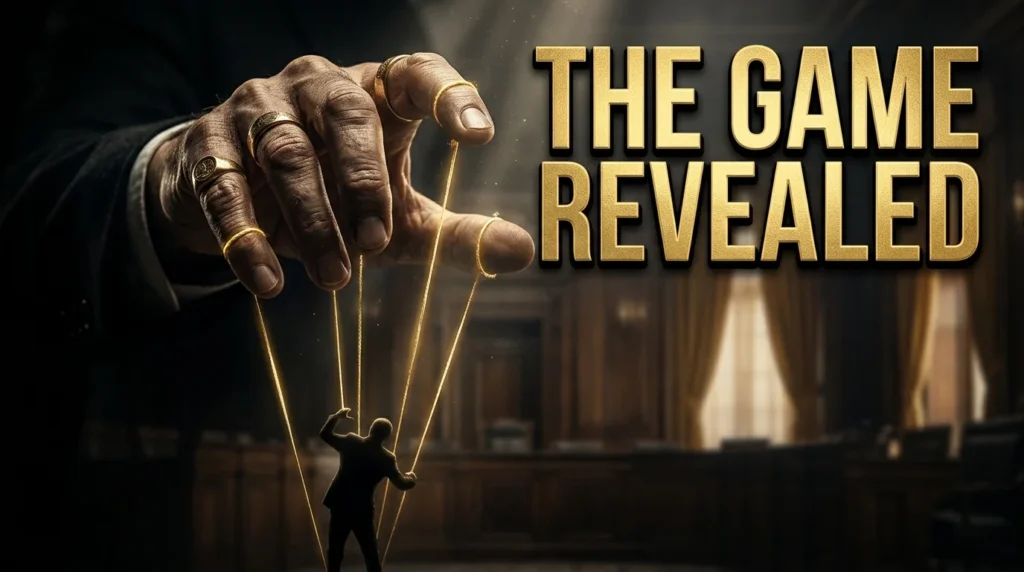
Politics affects nearly every part of daily life. It shapes laws, influences communities, sparks debates, and inspires change. Because politics often involves complex ideas, many writers, teachers, journalists, and speakers use metaphors for politics to make difficult concepts easier to understand.
A well-chosen metaphor can turn an abstract political issue into a vivid image that readers instantly recognize. Instead of describing political struggles with dry facts alone, you might compare politics to a chess match, a storm, or a theater performance. These comparisons create stronger emotional imagery and help people remember your message.
Whether you’re writing an essay, speech, poem, novel, or opinion article, learning political metaphors can improve your descriptive writing and strengthen your creative writing skills. This guide explores meaningful examples, explains how they work, and teaches you how to create your own memorable political metaphors.
Quick Answer
A metaphor for politics is a figure of speech that compares politics to another object, place, activity, or experience without using “like” or “as.” Political metaphors help explain leadership, power, conflict, cooperation, and government through vivid figurative language and imagery.
What Is a Metaphor for Politics?
A metaphor for politics compares the political world to something more familiar.
Instead of saying politics is complicated, a writer might say:
Politics is a chessboard.
This simple sentence suggests planning, strategy, patience, and careful decision-making.
Political metaphors appear in:
- Essays
- News articles
- Campaign speeches
- Poetry
- Fiction
- Classroom writing
- Social media captions
They make ideas easier to understand while adding emotional depth and symbolism.
Quick List of Metaphors for Politics
| Metaphor | Meaning |
|---|---|
| Politics is a chessboard. | Strategy matters most. |
| Politics is a battlefield. | Constant conflict. |
| Politics is a storm. | Unpredictable change. |
| Politics is a circus. | Public spectacle. |
| Politics is a stage. | Public performance. |
| Politics is a maze. | Difficult to navigate. |
| Politics is a marathon. | Long-term effort. |
| Politics is a ship. | Leadership guides society. |
| Politics is a garden. | Growth requires care. |
| Politics is a bridge. | Connecting different people. |
| Politics is a wildfire. | Ideas spread quickly. |
| Politics is a mirror. | Reflects society. |
| Politics is a machine. | Many parts work together. |
| Politics is a tug-of-war. | Competing interests. |
| Politics is a balancing act. | Managing difficult choices. |
| Politics is an orchestra. | Coordination creates harmony. |
| Politics is a puzzle. | Every piece matters. |
| Politics is a marketplace. | Exchange of ideas. |
| Politics is a river. | Always changing. |
| Politics is a lighthouse. | Guidance during uncertainty. |
Beautiful Metaphors for Politics
Politics is a Garden
Healthy governments need attention, patience, and care. Without nurturing, problems grow like weeds.
Politics is a Compass
Good leadership helps people find direction during uncertain times.
Politics is a Bridge
Politics can connect communities with different beliefs and backgrounds.
Politics is a Lighthouse
Strong leaders provide hope when society faces storms.
Politics is a Mosaic
Every citizen adds a unique piece to the larger picture.
Politics is a River
Political systems constantly flow, adapt, and change with time.
Politics is a Living Tree
Its roots represent history, while new branches symbolize future generations.
Politics is a Quilt
Different ideas are stitched together into one shared nation.
Politics is a Symphony
Many voices must work together to create harmony.
Politics is a Sunrise
New leadership often represents hope and fresh beginnings.
Poetic and Deep Metaphors for Politics
- Politics is the heartbeat of a nation.
- Politics is the shadow cast by power.
- Politics is the wind shaping history.
- Politics is the ink writing tomorrow.
- Politics is the fire that warms or burns.
- Politics is the thread holding society together.
- Politics is an echo of public dreams.
- Politics is the tide lifting some boats and leaving others behind.
- Politics is the pulse beneath every city street.
- Politics is the voice hidden inside every vote.
- Politics is a forest where every tree tells a different story.
- Politics is the weather of democracy.
- Politics is a mountain climbed one decision at a time.
- Politics is the fabric woven from millions of lives.
- Politics is the heartbeat of change.
Metaphors for Politics in Creative Writing
Political metaphors make stories and essays more engaging.
Story Example
The kingdom’s politics had become a volcano waiting to erupt.
This creates immediate tension.
Poetry Example
Politics became the river that carried every dream toward an uncertain sea.
The image feels emotional and symbolic.
School Writing Example
Instead of writing:
Politics affects society.
Write:
Politics is the steering wheel that guides a nation through changing roads.
Speech Example
Together, we can rebuild the bridge that connects our divided communities.
The metaphor encourages unity.
Metaphor vs. Simile
| Feature | Metaphor | Simile |
|---|---|---|
| Meaning | Direct comparison | Comparison using “like” or “as” |
| Grammar | Says one thing is another | Says one thing is like another |
| Emotional Impact | Stronger and more vivid | Softer and more descriptive |
| Example | Politics is a battlefield. | Politics is like a battlefield. |
| Common Mistake | Taking it literally | Forgetting to use “like” or “as” |
Why People Confuse Metaphors and Similes
Both are forms of figurative language because they compare one thing with another.
The difference is simple:
A metaphor says something is another thing.
Politics is a chess game.
A simile uses “like” or “as.”
Politics is like a chess game.
Many beginners focus on the comparison itself instead of noticing how the sentence is constructed. Remembering this grammar difference makes it much easier to identify each literary device.
Real-Life Conversation Examples
School Discussion
Student: Why do people call politics a battlefield?
Teacher: Because leaders often compete over ideas and influence instead of using physical weapons.
🎯 Lesson: Metaphors explain complex ideas through familiar images.
Classroom Writing
Student: Can I write, “Politics is a garden”?
Teacher: Yes. It suggests that leadership and society need constant care to grow.
🎯 Lesson: Choose a metaphor that matches your message.
Poetry Workshop
Writer: My poem says politics is a storm.
Mentor: That creates a feeling of uncertainty and powerful change.
🎯 Lesson: Emotional imagery makes writing memorable.
Social Media Caption
Friend: Elections are coming.
Reply: Politics is a marathon, not a sprint.
🎯 Lesson: A short metaphor can communicate a big idea.
How to Create Your Own Metaphor for Politics
Creating original metaphors is easier when you follow a simple process.
1. Picture Politics
Think about power, leadership, voting, debate, or change.
2. Find Similar Experiences
Ask yourself:
- What feels similar?
- What has the same emotions?
- What has the same purpose?
3. Build the Comparison
Examples:
- Politics is a lighthouse.
- Politics is a puzzle.
- Politics is a dance.
- Politics is a wildfire.
4. Focus on Emotion
Strong metaphors create emotional imagery instead of simply describing facts.
5. Keep It Simple
Clear metaphors are usually the most memorable.
Common Mistakes Beginners Make
Making the Comparison Too Complicated
Simple images are easier to understand.
Better: Politics is a bridge.
Mixing Multiple Metaphors
Stay with one image.
Incorrect:
Politics is a storm sailing through a chessboard.
Correct:
Politics is a storm gathering strength.
Forgetting the Main Idea
Every metaphor should support your message.
Using Clichés Too Often
Popular metaphors work, but original comparisons leave a stronger impression.
Related Figurative Language Terms
Simile
Compares two things using “like” or “as.”
Imagery
Language that creates pictures in the reader’s mind.
Personification
Gives human qualities to ideas or objects.
Example:
Politics whispered promises across the nation.
Symbolism
Uses an object or image to represent a deeper meaning.
Hyperbole
Uses intentional exaggeration for emphasis.
These literary devices often work together to create powerful descriptive writing.
Frequently Asked Questions
What is a metaphor for politics?
A metaphor for politics compares politics to another idea or object to explain leadership, power, or society in a vivid way.
Why are political metaphors useful?
They simplify complex ideas, improve communication, and create memorable imagery.
Can political metaphors be used in essays?
Yes. They make essays more engaging and help explain difficult concepts clearly.
What’s the difference between a metaphor and a simile?
A metaphor says one thing is another, while a simile uses “like” or “as.”
Are political metaphors common in speeches?
Yes. Speakers often use metaphors to inspire audiences and make ideas easier to remember.
Can I create my own political metaphor?
Absolutely. Original metaphors often make writing more creative, personal, and impactful.
Politics in Literature and Public Speaking
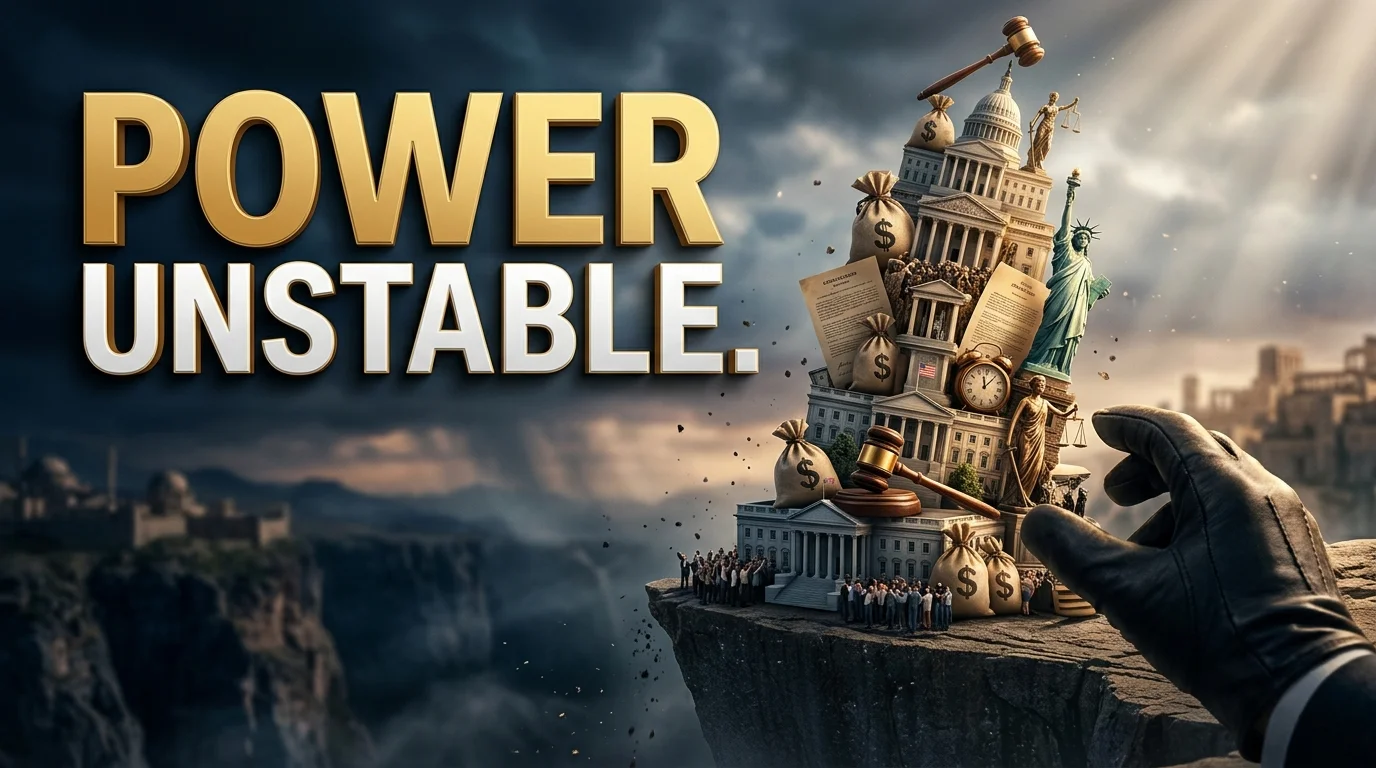
Throughout history, writers and speakers have relied on metaphor to explain political ideas. Nations have been described as ships crossing dangerous seas, governments as towering buildings supported by their citizens, and democracy as a living tree whose roots grow stronger with public participation. These symbolic comparisons help readers connect with abstract concepts through familiar experiences.
Great political writing often succeeds because it combines imagery, symbolism, personification, and other literary devices to turn policies and debates into stories people can visualize and remember.
Conclusion
Politics can feel complicated, but the right metaphor transforms complex ideas into clear, memorable images. Whether you compare politics to a chessboard, a bridge, a storm, or a garden, each metaphor offers a fresh way to explore leadership, conflict, cooperation, and change. By understanding how figurative language works and practicing your own creative comparisons, you can make essays, speeches, poems, and stories more engaging and meaningful. Keep experimenting with imagery, symbolism, and descriptive writing, and you’ll discover that the strongest metaphors are often the ones that help readers see familiar ideas in an entirely new light.