
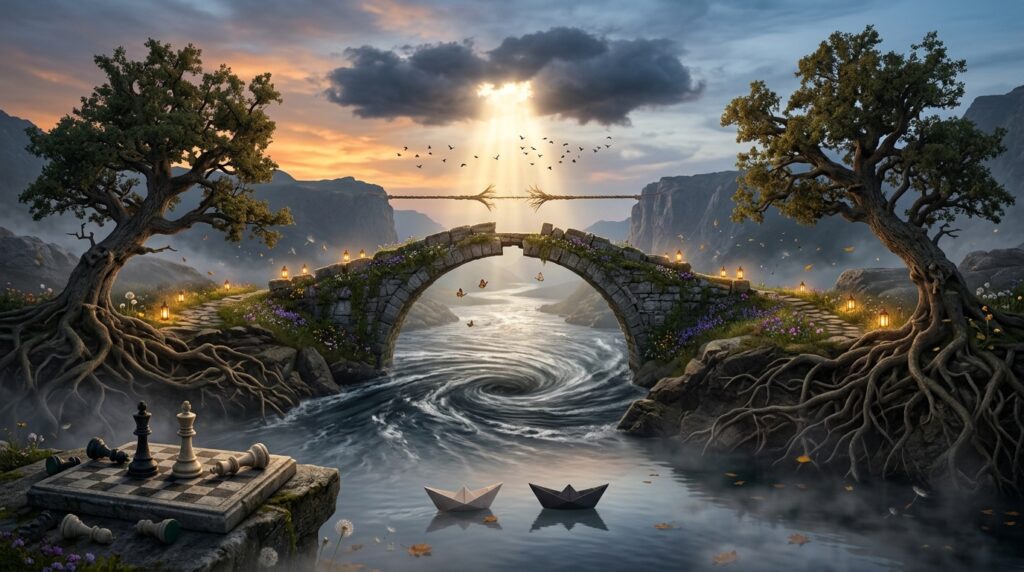
Arguments are a natural part of human relationships. They can be calm discussions, heated debates, or emotional disagreements that challenge beliefs and perspectives. Instead of repeatedly using words like fight or disagreement, writers often use a metaphor for argument to create stronger imagery and deeper emotional impact.
A good metaphor can portray an argument as a storm, a battlefield, a tug-of-war, or even a dance—each emphasizing a different aspect of conflict. Whether you’re writing fiction, poetry, essays, speeches, or dialogue, these metaphors can make your descriptions more engaging and memorable.
In this guide, you’ll learn what an argument metaphor is, why writers use it, and explore 200+ creative metaphors organized by theme. You’ll also find writing tips, example sentences, and answers to frequently asked questions.
What Is a Metaphor for Argument?
Quick Answer: A metaphor for argument is a direct comparison that describes an argument as something else—such as a storm, battle, fire, or game—to highlight its intensity, emotion, or complexity.
For example:
- A battlefield
- A raging storm
- A tug-of-war
- A volcano ready to erupt
- A chess match
Each metaphor emphasizes a different side of disagreement.
Why Writers Use Metaphors for Arguments
Argument metaphors can symbolize:
- Conflict
- Emotional tension
- Competition
- Miscommunication
- Power struggles
- Personal growth
- Resolution
- Persistence
- Differences in opinion
- Relationship dynamics
These comparisons make abstract emotions easier to visualize.
200+ Metaphors for Argument
War and Battle Metaphors
- A battlefield
- A war of words
- A verbal duel
- A sword fight
- A siege
- A shield raised high
- A clash of armies
- A battlefield of ideas
- A cannon of criticism
- A rain of arrows
- A fortress under attack
- A tactical assault
- A final showdown
- A battle for ground
- A line in the sand
- A military campaign
- A defensive wall
- A conflict zone
- A war without winners
- A victory at a cost
Storm and Weather Metaphors
- A raging storm
- Thunder in the room
- Lightning between hearts
- A brewing hurricane
- A tornado of emotions
- A flood of accusations
- Dark clouds gathering
- A violent downpour
- A whirlwind
- A crashing wave
- A thunderclap
- A hailstorm of words
- A cold front
- A sky ready to split
- A blizzard of blame
- A storm surge
- A cloudburst
- A brewing tempest
- A hurricane of anger
- Rain before calm
Fire Metaphors
- A wildfire
- A spark becoming an inferno
- A burning bridge
- Flames of anger
- A house on fire
- Smoldering resentment
- A bonfire of emotions
- An explosion waiting to happen
- A blazing confrontation
- Hot coals
- A furnace of frustration
- A torch passed back and forth
- A firestorm
- A burning fuse
- Molten emotions
- A match dropped in dry grass
- Scorching words
- An erupting flame
- A smoke-filled room
- Embers refusing to die
Nature Metaphors
- A volcano erupting
- Two rivers colliding
- A crashing waterfall
- Earthquake beneath trust
- A mountain between them
- A thorny path
- A broken branch
- A landslide
- Clashing tides
- A tree splitting in the wind
- A rocky coastline
- A river against the current
- A canyon widening
- A forest fire
- A shifting glacier
- A wave smashing the shore
- An avalanche
- A drought of understanding
- A cracked foundation
- A stormy sea
Sports and Competition Metaphors
- A boxing match
- A wrestling bout
- A tug-of-war
- A chess match
- A tennis rally
- A marathon of opinions
- A fencing duel
- A game of strategy
- A race without a finish
- A heavyweight fight
- A penalty shootout
- A sparring session
- A final round
- A balancing act
- A relay of blame
- A scoreboard of victories
- A match point
- A knockout punch
- A high-stakes tournament
- An uphill race
Machine and Object Metaphors
- A pressure cooker
- A ticking time bomb
- A cracked mirror
- Grinding gears
- A broken engine
- A snapped rope
- A frayed wire
- A loaded cannon
- A broken compass
- A locked door
- A jammed machine
- A cracked vase
- A loose bolt
- A train collision
- A spinning wheel
- A bridge collapsing
- A chain breaking
- Rusted hinges
- A shattered window
- A machine overheating
Emotional Metaphors
- A wall between hearts
- A river of resentment
- A mountain of frustration
- A knot tightening
- A wounded heart
- A growing shadow
- A storm inside
- An invisible fence
- A maze without exits
- A heavy backpack
- A bridge falling apart
- A frozen silence
- A tangled web
- A room full of echoes
- A door slammed shut
- A heart wrapped in barbed wire
- A weight on the chest
- A rope pulled too tight
- A broken melody
- A scar reopening
Literary Metaphors
- A chapter of conflict
- A poem of disagreement
- A story without harmony
- A page stained with anger
- A script of misunderstanding
- A novel’s climax
- A paragraph of tension
- A book of unresolved endings
- An unfinished sentence
- A dramatic scene
- A tragic play
- A chorus of criticism
- A tale of two voices
- A rewritten ending
- A cracked storyline
- A broken verse
- A dialogue in flames
- A forgotten apology
- A silent chapter
- A story searching for peace
Symbolic Metaphors
- A bridge on the verge of collapse
- A fork in the road
- A broken chain
- A cracked foundation
- A locked gate
- A divided island
- A mirror shattered
- A tangled thread
- A compass spinning
- A knot impossible to untie
- A fading lighthouse
- A broken clock
- A maze of pride
- A fading signal
- A cracked pillar
- A tower leaning
- A house with broken windows
- A fading map
- A bridge waiting to be rebuilt
- A circle broken in two
Metaphor vs. Simile
Quick Answer: A metaphor directly says an argument is something else, while a simile compares it using like or as.
| Metaphor | Simile |
|---|---|
| Their argument was a wildfire. | Their argument spread like a wildfire. |
| The debate became a chess match. | The debate was like a chess match. |
| The disagreement was a storm. | The disagreement felt like a storm. |
| Their conversation turned into a battlefield. | Their conversation was like a battlefield. |
How to Choose the Right Argument Metaphor
| Writing Purpose | Best Style |
|---|---|
| Fiction | Emotional and descriptive |
| Essays | Clear and relatable |
| Speeches | Powerful and memorable |
| Poetry | Symbolic and expressive |
| Workplace writing | Professional and restrained |
Examples in Sentences
- Their disagreement became a tug-of-war, with neither willing to let go.
- The family dinner quickly turned into a raging storm.
- Every conversation felt like a chess match, where each word was carefully planned.
- The argument became a volcano, erupting after weeks of silence.
- His criticism was a spark that ignited a wildfire of emotions.
- The debate transformed into a battlefield, leaving both sides exhausted.
- Their relationship hit a cracked foundation after months of unresolved conflict.
- The office meeting became a pressure cooker, with tension building by the minute.
- Misunderstandings created a wall between their hearts.
- The apology finally acted as a bridge, reconnecting what anger had divided.
Tips for Creating Your Own Argument Metaphors
- Decide whether the argument is calm, intense, or unresolved.
- Choose imagery that matches the emotional tone.
- Use familiar comparisons readers can picture.
- Keep the metaphor consistent throughout the passage.
- Focus on one central image instead of several competing ones.
Common Mistakes to Avoid
- Mixing unrelated metaphors in the same sentence.
- Overusing battle imagery for every disagreement.
- Choosing exaggerated comparisons for minor conflicts.
- Repeating the same metaphor throughout your writing.
- Ignoring the emotional context of the argument.
Frequently Asked Questions
What is the best metaphor for an argument?
“A battlefield” is one of the most common metaphors because it highlights conflict, opposing sides, and the emotional cost of disagreement.
Why do writers compare arguments to storms?
Storms symbolize rising tension, emotional intensity, unpredictability, and the possibility of calm after conflict.
Can argument metaphors be used in essays?
Yes. They can make essays more engaging, provided they’re used sparingly and appropriately.
What’s the difference between a metaphor and a simile?
A metaphor makes a direct comparison, while a simile uses like or as.
Are argument metaphors useful in fiction?
Absolutely. They help readers visualize emotional conflict and deepen character relationships.
How do I create my own metaphor for an argument?
Think about how the disagreement feels—explosive, exhausting, strategic, or chaotic—and compare it directly to something with the same qualities.
Can argument metaphors describe healthy disagreements?
Yes. Not all argument metaphors have to be destructive. Comparisons such as “a chess match” or “a dance of ideas” can represent thoughtful debate.
Why are battle metaphors so common?
Because arguments often involve opposing viewpoints, defense, persuasion, and emotional stakes, making battle imagery a natural comparison.
Conclusion
A well-chosen metaphor for argument can transform a simple disagreement into a vivid and meaningful scene. Whether you describe an argument as a raging storm, a battlefield, a chess match, or a bridge waiting to be rebuilt, the right metaphor helps readers understand not just what happened, but how it felt. By selecting imagery that matches the tone and purpose of your writing, you can create more engaging stories, essays, speeches, and conversations that leave a lasting impression.