
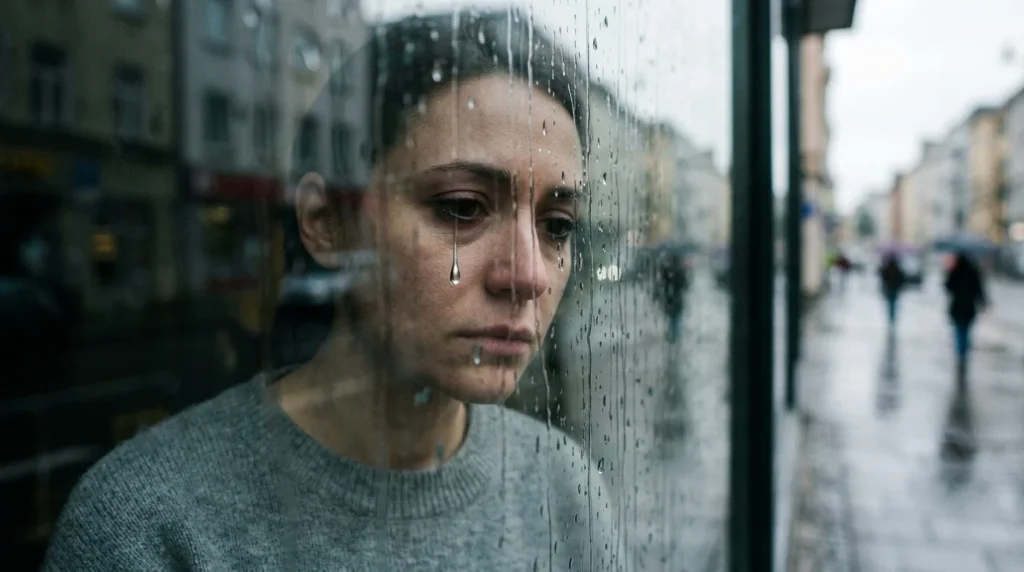
A metaphor for sad eyes can express grief, loneliness, heartbreak, regret, or quiet longing more powerfully than simply saying someone’s eyes looked sad. In literature, poetry, and storytelling, eyes are often called the “windows to the soul,” making them a natural symbol for hidden emotions.
Whether you’re writing a novel, poem, screenplay, speech, or personal essay, the right metaphor can bring a character’s emotions to life. Some metaphors suggest silent suffering, while others evoke fading hope, emotional exhaustion, or deep compassion.
In this guide, you’ll discover more than 100 creative metaphors for sad eyes, complete with meanings, examples, and practical tips for using them naturally in your writing.
What Is a Metaphor for Sad Eyes?
Quick Answer: A metaphor for sad eyes is a figurative comparison that describes sorrowful eyes through vivid imagery instead of stating the emotion directly.
For example:
- Her eyes were forgotten windows.
- His eyes were rain-soaked skies.
- Her eyes were extinguished candles.
- His eyes were abandoned houses.
- Her eyes were oceans at low tide.
Each metaphor highlights a different shade of sadness, from quiet grief to deep despair.
Why Writers Use Metaphors for Sad Eyes
Metaphors help readers feel emotion rather than simply being told about it. They can:
- Create vivid imagery
- Reveal hidden emotions
- Deepen character development
- Make poetry and prose more memorable
- Add emotional resonance without overexplaining
100+ Metaphors for Sad Eyes
| Metaphor | Meaning |
|---|---|
| Rain-soaked skies | Deep sorrow |
| Forgotten windows | Emotional emptiness |
| Extinguished candles | Lost hope |
| Oceans at low tide | Quiet grief |
| Abandoned houses | Loneliness |
| Autumn leaves | Gentle melancholy |
| Empty wells | Emotional exhaustion |
| Fading stars | Diminishing hope |
| Wilted flowers | Broken spirit |
| Gray horizons | Lingering sadness |
| Silent storms | Hidden pain |
| Frozen lakes | Suppressed emotions |
| Cracked mirrors | Emotional wounds |
| Dying embers | Fading joy |
| Deserted streets | Isolation |
| Broken wings | Lost dreams |
| Clouded moons | Quiet despair |
| Fallen leaves | Letting go |
| Ash-covered fire | Hidden warmth beneath grief |
| Heavy rainclouds | Overwhelming emotion |
| Forgotten songs | Nostalgia |
| Locked doors | Emotional distance |
| Empty bird nests | Loss |
| Winter branches | Bare vulnerability |
| Foggy mornings | Uncertainty |
| Sinking ships | Emotional collapse |
| Quiet libraries | Unspoken feelings |
| Hollow trees | Inner emptiness |
| Abandoned gardens | Neglected happiness |
| Tidal pools after the storm | Lingering heartbreak |
| Faded paintings | Lost vibrancy |
| Broken clocks | Time standing still |
| Lonely lighthouses | Waiting without relief |
| Torn pages | Broken memories |
| Ashen skies | Deep mourning |
| Candle smoke | Hope slipping away |
| Shadowed valleys | Persistent sorrow |
| Crumbling castles | Broken dreams |
| Moonlit ruins | Beauty touched by grief |
| Dust-covered mirrors | Forgotten happiness |
| Silent violins | Wordless sadness |
| Rainy windows | Tears held back |
| Empty theaters | A sense of absence |
| Sleeping volcanoes | Hidden emotional pain |
| Snow-covered fields | Quiet loneliness |
| Broken bridges | Lost connections |
| Dim lanterns | Weak hope |
| Closed books | Untold stories |
| Echoing caves | Emotional emptiness |
| Wilting vines | Fading affection |
| Dark harbors | Waiting through sorrow |
| Stormy seas | Emotional turmoil |
| Fallen feathers | Lost innocence |
| Bare forests | Emotional vulnerability |
| Cracked porcelain | Fragile heart |
| Hollow echoes | Lingering grief |
| Forgotten letters | Unresolved feelings |
| Fading sunsets | Endings |
| Mist-covered hills | Quiet longing |
| Blue twilight | Gentle sadness |
| Empty picture frames | Missing someone |
| Drifting clouds | Wandering thoughts |
| Lonely benches | Waiting |
| Broken compasses | Feeling lost |
| Quiet snowfall | Peaceful sorrow |
| Faded photographs | Cherished memories |
| Closed curtains | Withdrawing from the world |
| Deep caves | Hidden emotions |
| Distant thunder | Grief approaching |
| Rain-filled rivers | Tears and healing |
| Bare branches | Emotional exposure |
| Unlit fireplaces | Absence of warmth |
| Forgotten pathways | Lost direction |
| Broken lanterns | Lost guidance |
| Weathered stones | Enduring pain |
| Silent oceans | Unspoken grief |
| Shattered glass | Emotional fracture |
| Cold ashes | Love after loss |
| Empty seashells | What remains after heartbreak |
| Quiet dawns | Hope mixed with sadness |
| Faint moonlight | Fragile optimism |
| Dusty shelves | Forgotten dreams |
| A fading melody | Joy slipping away |
| Wind through ruins | Lingering memories |
| A cracked vase | Beauty touched by pain |
| A lonely island | Emotional isolation |
| A river in drought | Love running dry |
| A dim horizon | Uncertain future |
| A wilted rose | Heartbreak |
| A frozen waterfall | Tears that won’t fall |
| A rain-filled mirror | Reflection clouded by grief |
| A silent chapel | Sacred sorrow |
| A broken violin | Beauty interrupted |
| A forgotten lighthouse | Waiting without rescue |
| A storm behind glass | Pain kept inside |
| A candle in the rain | Hope struggling to survive |
| A pale sunrise | A difficult new beginning |
| A sinking moon | Quiet despair |
| A sea without waves | Numbness |
| An unopened letter | Feelings left unspoken |
| A fading rainbow | Happiness disappearing |
| A darkened window | Closed-off emotions |
| A wilted garden after frost | Love touched by loss |
Metaphors for Different Kinds of Sadness
Heartbreak
Quick Answer: These metaphors express the pain of lost love or emotional separation.
Examples:
- A wilted rose
- A broken bridge
- A fading sunset
- A candle in the rain
- A river in drought
Grief and Loss
These metaphors capture mourning and remembrance.
Examples:
- Faded photographs
- Empty picture frames
- A silent chapel
- Ash-covered fire
- Forgotten letters
Loneliness
These comparisons emphasize isolation and longing.
Examples:
- A lonely island
- Abandoned houses
- Empty bird nests
- Deserted streets
- Hollow trees
Quiet Sorrow
Not all sadness is dramatic. Some emotions are subtle and reflective.
Examples:
- Blue twilight
- Quiet snowfall
- Mist-covered hills
- A pale sunrise
- Rainy windows
How to Choose the Best Metaphor for Sad Eyes
Choose a metaphor based on the emotion you want to emphasize:
| Emotion | Best Metaphors |
|---|---|
| Heartbreak | Wilted Rose, Broken Bridge, Candle in the Rain |
| Grief | Ashen Skies, Empty Picture Frame, Silent Chapel |
| Loneliness | Lonely Island, Abandoned House, Hollow Tree |
| Hopelessness | Extinguished Candle, Fading Star, Dim Lantern |
| Quiet Melancholy | Autumn Leaves, Blue Twilight, Rainy Window |
Tips for Writing Original Metaphors for Sad Eyes
- Draw inspiration from nature, weather, and seasons.
- Match the metaphor to your character’s emotional state.
- Avoid stacking multiple metaphors in the same sentence.
- Let the imagery imply the emotion instead of explaining it.
- Choose fresh comparisons rather than relying only on familiar clichés.
Frequently Asked Questions
What is the best metaphor for sad eyes?
One of the most evocative is “Her eyes were rain-soaked skies,” suggesting quiet sorrow, depth, and emotions ready to overflow.
Why are eyes often used in metaphors?
Eyes naturally communicate emotion and are commonly viewed as revealing a person’s inner thoughts and feelings.
Can sad eye metaphors be used in poetry?
Yes. They add emotional depth, vivid imagery, and subtle expression, making poems more memorable and evocative.
Are nature metaphors good for describing sad eyes?
Absolutely. Images such as rain, winter, fading stars, oceans, and autumn leaves beautifully convey different shades of sadness.
How can I create my own metaphor for sad eyes?
Think about the specific emotion—grief, loneliness, regret, or longing—and compare it to an image that evokes the same feeling, such as weather, landscapes, or fading light.
What’s the difference between a metaphor and a simile?
A metaphor states that one thing is another (“His eyes were frozen lakes”), while a simile compares them using like or as (“His eyes were like frozen lakes”).
Conclusion
A powerful metaphor for sad eyes allows readers to experience emotion through imagery instead of simple description. Whether you compare sorrowful eyes to rain-soaked skies, extinguished candles, forgotten windows, or fading stars, each metaphor reveals a different layer of grief, longing, or quiet resilience. By choosing imagery that matches the emotional tone of your writing, you can create characters, poems, and stories that leave a lasting impression and resonate deeply with your readers.