
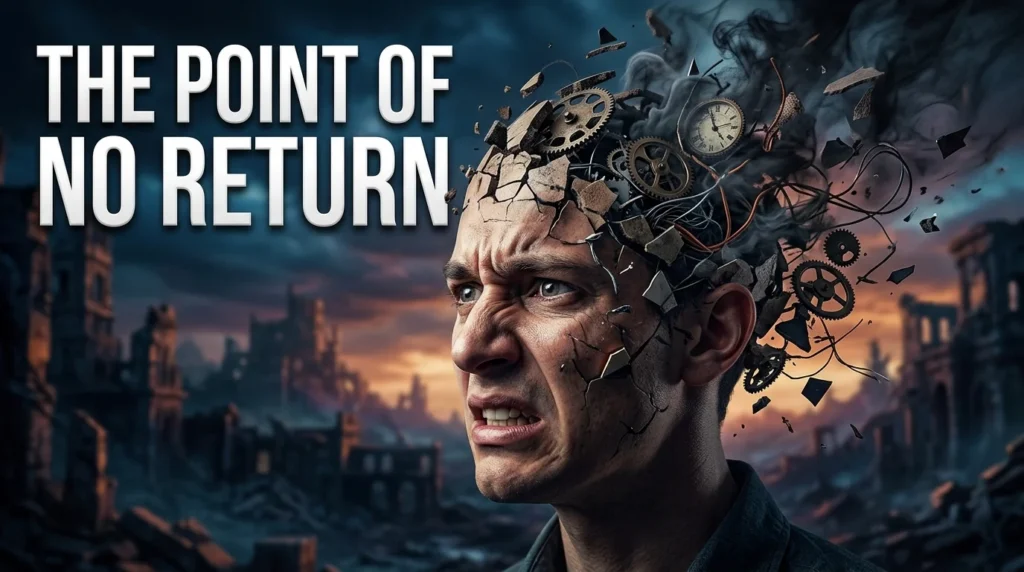
Metaphors for going crazy help writers express emotional overwhelm, confusion, obsession, or mental unraveling without stating it directly. Whether you’re writing a novel, poem, speech, or simply looking for a more vivid way to describe someone’s state of mind, the right metaphor can make your writing more memorable and emotionally powerful.
People rarely mean “crazy” in a literal clinical sense. More often, they want to describe someone who feels overwhelmed, stressed, obsessed, irrational, or emotionally out of control. Metaphors capture those experiences with imagery that readers instantly understand.
In this guide, you’ll find over 150 metaphors for going crazy, organized by tone and context. You’ll also learn what each metaphor means, when to use it, and see practical examples that make them easy to incorporate into your own writing.
What Is a Metaphor for Going Crazy?
Quick Answer:
A metaphor for going crazy compares emotional instability, confusion, or mental overwhelm to another vivid image without using “like” or “as.”
Examples include:
- Losing your compass
- A house with collapsing walls
- A spinning carousel
- A cracked mirror
- A runaway train
These metaphors describe the feeling rather than diagnosing mental illness.
Classic Metaphors for Going Crazy
| Metaphor | Meaning |
|---|---|
| Losing your marbles | Becoming irrational or forgetful |
| Going off the rails | Losing control |
| A cracked mirror | A fractured state of mind |
| A loose screw | Acting strangely |
| A broken compass | Losing direction mentally |
| Running in circles | Repeating confused thoughts |
| Falling apart | Emotional collapse |
| A tangled knot | Mental confusion |
| A storm inside | Emotional turmoil |
| A ship without a captain | Lack of self-control |
Nature Metaphors for Going Crazy
Nature often mirrors emotional chaos.
- A hurricane without warning
- A volcano ready to erupt
- A wildfire out of control
- A river bursting its banks
- An earthquake beneath the surface
- A tornado of thoughts
- A forest consumed by fire
- A crumbling cliff
- A sky filled with lightning
- A glacier breaking apart
- A tree split by lightning
- An avalanche of emotions
- A whirlpool pulling everything under
- A drought of reason
- A raging sea
Example:
“After weeks without sleep, his thoughts became a wildfire that no one could contain.”
Machine Metaphors for Going Crazy
Mechanical imagery works well for modern writing.
- Engine overheating
- Circuit overload
- System crash
- Software glitch
- Broken gears
- Short-circuiting brain
- Jammed machinery
- Battery running on empty
- Malfunctioning robot
- Computer frozen
- Corrupted hard drive
- Broken processor
- Endless error loop
- Factory shutting down
- Smoking engine
Journey Metaphors
Mental instability is often described as losing direction.
- Lost in a maze
- Walking off the map
- Missing the exit
- Driving without brakes
- Sailing into a storm
- Wandering without a compass
- Crossing a broken bridge
- Taking the wrong road forever
- Lost at sea
- Walking in circles
Weather Metaphors
Weather naturally symbolizes emotional states.
- Thunderstorm in the mind
- Dark clouds gathering
- Lightning striking repeatedly
- Blizzard of thoughts
- Hurricane of emotions
- Endless fog
- Dust storm of confusion
- Flash flood of panic
- Constant rain
- Tornado of worries
Fire Metaphors
Fire represents intensity and loss of control.
- Burning from within
- Mind on fire
- Flames consuming reason
- Sparks becoming an inferno
- Wildfire in the brain
- Smoldering emotions
- Exploding furnace
- Melting under pressure
- Burning fuse
- Ashes where calm once lived
House and Building Metaphors
Buildings symbolize stability.
- Cracks in the foundation
- House collapsing
- Roof caving in
- Broken windows everywhere
- Walls closing in
- Empty rooms
- Flooded basement
- Locked attic
- Doors falling off their hinges
- Foundation turning to sand
Ocean Metaphors
The sea reflects uncertainty and emotional depth.
- Lost at sea
- Drowning in thoughts
- Pulled by strong currents
- Waves crashing endlessly
- Shipwrecked mind
- Deep whirlpool
- Stormy waters
- Capsized boat
- Drifting without sails
- Sinking beneath the surface
Animal Metaphors
Animals capture instinct and chaos.
- A caged tiger
- A trapped bird
- A frightened deer
- A swarm of bees
- A cornered wolf
- A runaway horse
- A monkey jumping from branch to branch
- A snake eating its tail
- A panicked flock
- A spinning hamster wheel
Abstract Metaphors
These are especially effective in poetry and fiction.
- Reality cracking
- Time unraveling
- Thoughts melting
- Mind becoming static
- A shattered puzzle
- Echoes without answers
- A maze without exits
- Darkness swallowing light
- Frayed threads
- Broken rhythm
Creative Metaphors for Writers
These original metaphors can make your writing stand out.
- A library with every book open at once
- A compass spinning endlessly
- Fireworks trapped in a glass jar
- A radio playing every station simultaneously
- A room full of ticking clocks
- A puzzle missing every corner piece
- A kite cut loose from its string
- Paint dripping from reality
- A carousel that never stops
- Chess pieces moving on their own
- A symphony with no conductor
- A snow globe that never settles
- A theater where every actor speaks at once
- A cracked hourglass leaking time
- A mirror reflecting different faces every second
Lighthearted Metaphors
Best for casual conversations.
- Brain on vacation
- Elevator skipping floors
- Hamster left the wheel
- Brain buffering
- Lost the instruction manual
- Brain took a coffee break
- Missing a few puzzle pieces
- Wi-Fi disconnected upstairs
- Running on fumes
- Mind stuck in airplane mode
Dramatic Metaphors
Perfect for emotional storytelling.
- Standing on the edge of reason
- Mind falling into darkness
- Castle turning to dust
- Bridge collapsing beneath every step
- Reality melting away
- Stars falling from the sky
- The moon breaking apart
- Living inside a nightmare
- A world spinning out of control
- The last candle going out
Best Practices for Using Metaphors About Going Crazy
Choose the right tone.
A humorous metaphor works in casual writing, while a dramatic one suits fiction or poetry.
Avoid overusing clichés.
Phrases like “losing your marbles” are familiar but may feel less original than fresh imagery.
Be mindful of context.
Many people experience real mental health conditions. If you’re describing emotional overwhelm rather than a medical condition, choose language that reflects that distinction.
Match the metaphor to the emotion.
A wildfire suggests explosive intensity, while a dense fog conveys confusion or uncertainty.
Common Mistakes to Avoid
- Mixing unrelated metaphors in one sentence.
- Using exaggerated imagery for minor emotions.
- Repeating the same metaphor throughout a piece.
- Confusing metaphors with similes.
- Using insensitive language when discussing actual mental health conditions.
Quick Reference Table
| Situation | Strong Metaphor |
|---|---|
| Stress | Engine overheating |
| Confusion | Lost in a maze |
| Obsession | Carousel that never stops |
| Emotional overload | Hurricane inside |
| Anxiety | Swarm of bees |
| Burnout | Battery running on empty |
| Panic | Flash flood |
| Chaos | Wildfire spreading |
| Loss of direction | Broken compass |
| Emotional collapse | House falling apart |
Frequently Asked Questions
What is the most common metaphor for going crazy?
“Losing your marbles” is one of the most widely recognized metaphors. It suggests gradually losing rational thinking or emotional control.
What metaphor describes mental confusion?
Common choices include a dense fog, a tangled knot, a spinning compass, and a maze without an exit.
What is a poetic metaphor for going crazy?
Poetic options include a cracked mirror, a snow globe that never settles, a storm trapped beneath the skin, and a symphony without a conductor.
Can I use these metaphors in fiction?
Yes. Metaphors can reveal a character’s emotional state while making scenes more vivid and immersive.
Are these metaphors appropriate for serious discussions of mental health?
When discussing real mental health conditions, it’s better to use accurate, respectful language. These metaphors are most appropriate for describing feelings, fictional characters, or figurative experiences.
How do I create my own metaphor?
Start with the emotion you want to express, then compare it to an image that shares the same qualities. For example, if thoughts feel chaotic, you might compare them to a tornado, a traffic jam, or a radio playing every station at once.
Conclusion
Metaphors for going crazy give writers a powerful way to express confusion, emotional overload, obsession, and the feeling of losing control. Whether you choose a classic expression like losing your marbles, a nature-inspired image like a hurricane inside, or a fresh comparison such as a library with every book open at once, the right metaphor can make your writing more vivid and emotionally resonant.
The most effective metaphors are those that fit the tone, context, and emotion you want to convey. Use them thoughtfully, vary your imagery, and remember that when discussing real mental health experiences, clear and respectful language is always the best choice.