
What Is a Metaphor for Evolution?
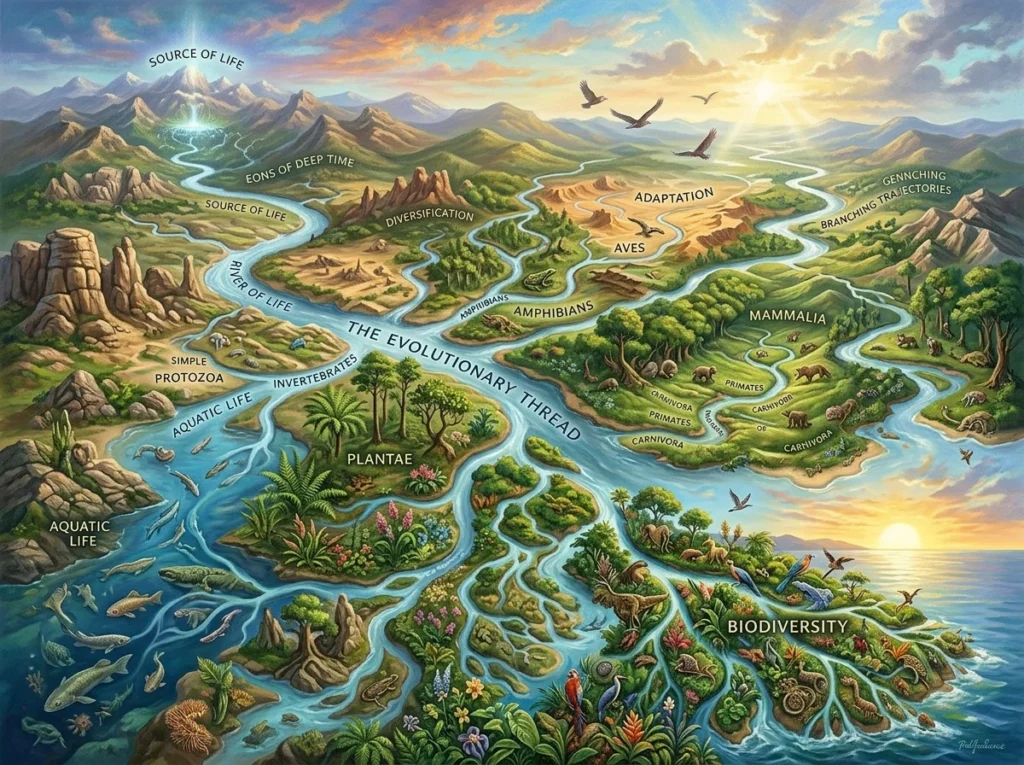
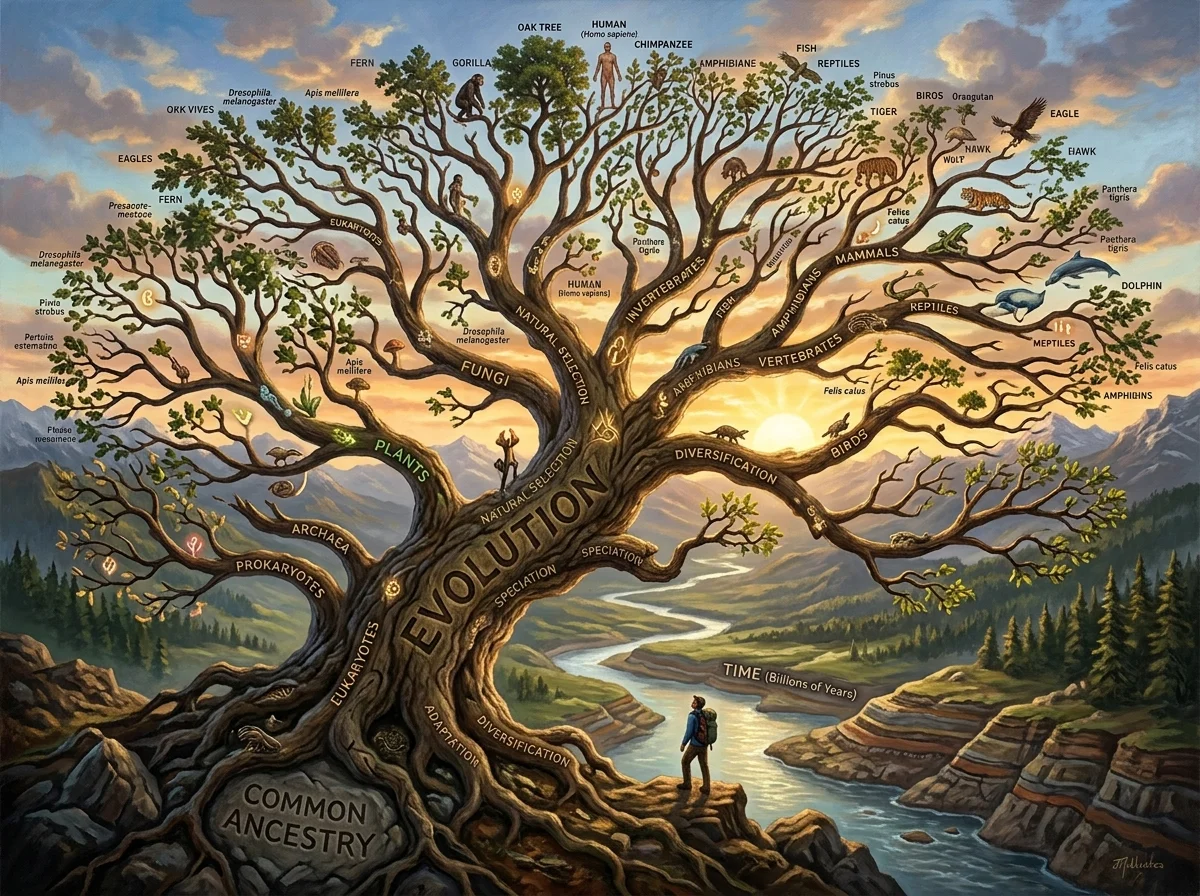
A metaphor for evolution is a figurative comparison that represents gradual growth, development, or transformation without using the words “like” or “as.” It helps explain progress through familiar images, such as a tree growing taller or a river carving its path.
Rather than describing change directly, metaphors show how change unfolds over time.
For example:
- “Her career became a climbing staircase.”
- “The company was a seed growing into a forest.”
- “His ideas were a river finding new paths.”
Each metaphor helps readers imagine continuous development instead of sudden change.
Why Use Metaphors for Evolution?
Evolution can be difficult to explain because it often happens gradually. Metaphors make that process easier to understand.
They can help you:
- Make complex ideas simple
- Add emotion to your writing
- Create memorable images
- Improve storytelling
- Strengthen speeches and presentations
- Make articles more engaging
Whether you’re writing fiction or explaining scientific concepts, metaphors help your audience connect with the message.
Tree Metaphors for Evolution
1. A Tree Growing New Branches
Growth often begins with a strong foundation.
Example:
“The organization became a tree growing new branches with every successful project.”
2. Deepening Roots
Roots symbolize stability while allowing future growth.
Example:
“Her confidence grew deeper roots every year.”
3. A Forest Emerging from One Seed
Small beginnings can lead to remarkable transformation.
Example:
“What started as one idea became a thriving forest.”
4. New Leaves Every Spring
Fresh opportunities often arrive after periods of rest.
Example:
“Each challenge gave him new leaves to grow.”
5. An Oak Strengthened by Storms
Difficult experiences often produce resilience.
Example:
“Failure shaped her into an oak that welcomed every storm.”
Nature Metaphors for Evolution
6. A River Carving Its Own Path
A river changes landscapes slowly but powerfully.
Example:
“Innovation became a river carving through old traditions.”
7. The Changing Seasons
Growth happens in natural cycles.
Example:
“Every season of her life prepared her for the next.”
8. A Mountain Formed Over Time
Great achievements rarely happen overnight.
Example:
“His expertise became a mountain built through patience.”
9. A Sunrise After Darkness
Evolution often brings hope.
Example:
“The team’s recovery was a sunrise after a long night.”
10. A Garden in Bloom
Care and consistency produce lasting results.
Example:
“The classroom became a blooming garden of ideas.”
Animal Metaphors for Evolution
11. A Butterfly Leaving Its Chrysalis
One of the most recognized symbols of transformation.
Example:
“She emerged from college like a butterfly discovering its wings.”
12. A Snake Shedding Its Skin
Letting go of the old makes room for the new.
Example:
“The business shed outdated practices like old skin.”
13. A Phoenix Rising
Renewal often follows setbacks.
Example:
“The company rose like a phoenix after bankruptcy.”
14. An Eagle Learning to Fly
Growth requires courage.
Example:
“He became an eagle finally trusting the wind.”
15. Salmon Swimming Upstream
Progress sometimes requires persistence against obstacles.
Example:
“Every promotion felt like swimming upstream.”
Journey Metaphors for Evolution
16. Climbing a Staircase
Each step represents steady improvement.
17. Walking a Long Road
Success comes through persistence.
18. Crossing a Bridge
Transformation often connects one stage of life to another.
19. Turning a New Page
Every chapter offers fresh possibilities.
20. Reaching a New Summit
Growth continues after every achievement.
Creative Metaphors for Personal Growth
- Sculpting a masterpiece from stone
- Forging steel in fire
- Polishing a diamond
- Weaving a stronger tapestry
- Lighting a brighter flame
- Building one brick at a time
- Writing a new chapter
- Unlocking another door
- Learning a new language
- Finding a clearer compass
Technology Metaphors for Evolution
Technology provides modern ways to describe progress.
| Metaphor | Meaning |
|---|---|
| Software update | Continuous improvement |
| New operating system | Major transformation |
| Better algorithm | Smarter decisions |
| Upgraded engine | Increased performance |
| Stronger network | Better connections |
| Rewritten code | Starting fresh |
| Better processor | Improved thinking |
| Debugging life | Learning from mistakes |
Business Metaphors for Evolution
Business leaders often use evolution metaphors to describe growth.
Examples include:
- Scaling a mountain
- Expanding the foundation
- Planting seeds for tomorrow
- Opening new doors
- Building a bridge to the future
- Adding another floor to the building
- Steering a larger ship
- Growing from a spark into a wildfire
Evolution Metaphors in Everyday Life
Here are simple examples you can use naturally.
- “Life is a staircase, not an elevator.”
- “Success grows like a tree.”
- “Experience is the sculptor of wisdom.”
- “Every mistake plants a better tomorrow.”
- “Growth is a river that never stops flowing.”
- “Dreams bloom with patience.”
- “Progress builds one brick at a time.”
- “Hope rises like the morning sun.”
- “Learning is a garden that rewards care.”
- “Change writes new chapters.”
How to Choose the Best Metaphor for Evolution
The right metaphor depends on your message.
| If You Want to Show… | Use This Metaphor |
| Personal growth | Butterfly |
| Long-term progress | Tree |
| Persistence | River |
| Recovery | Phoenix |
| Resilience | Oak tree |
| Continuous learning | Staircase |
| Reinvention | Snake shedding skin |
| Innovation | Software update |
| Achievement | Mountain |
| Hope | Sunrise |
Common Mistakes to Avoid
When using evolution metaphors:
- Don’t mix unrelated metaphors in one sentence.
- Keep the imagery consistent.
- Choose metaphors your audience understands.
- Avoid clichés unless they fit naturally.
- Match the metaphor to your tone and purpose.
Simple, clear imagery is usually more effective than overly complex comparisons.