
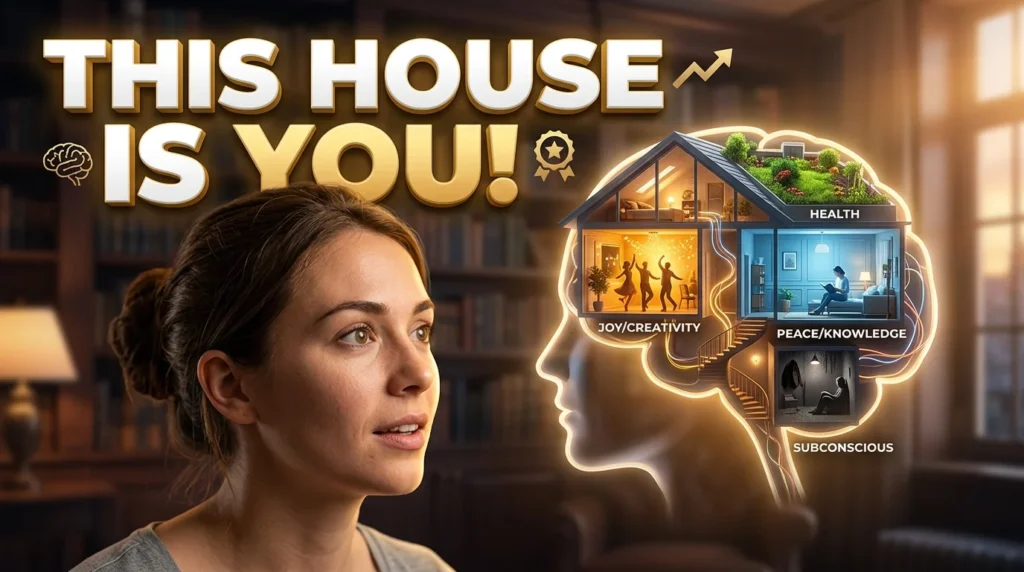
A house as metaphor for self is a powerful way to understand human identity, emotions, memories, and personal growth. Just like a house has rooms, foundations, walls, doors, and hidden corners, people have different parts of themselves that shape who they are.
Writers, psychologists, and artists often use the image of a house to represent the inner world of a person. The foundation can symbolize values, the rooms can represent different aspects of personality, and the condition of the house can reflect emotional well-being.
This metaphor helps us look inward and ask meaningful questions: What parts of ourselves do we protect? What memories do we keep locked away? Which areas need repair, care, or renovation?
In this article, we will explore the deeper meaning behind the house metaphor, examine its different symbolic elements, and discover how it can help us better understand ourselves and our personal journeys.
What Does a House as Metaphor for Self Mean?
A house as metaphor for self means that a person’s inner life is represented as a physical home, where each part of the house reflects different aspects of identity, emotions, memories, and experiences.
A house is more than bricks and wood. It is a place where life happens. In the same way, a person is more than their appearance. They carry beliefs, feelings, memories, dreams, fears, and experiences that create their inner world.
When we imagine ourselves as a house, we can think about:
- The foundation as our core beliefs and values
- The walls as our boundaries and protection
- The rooms as different parts of our personality
- The windows as our perspective and openness
- The doors as choices and opportunities
- The attic or basement as hidden memories and emotions
- The garden as creativity, growth, and relationships
This metaphor encourages self-reflection and helps explain the complexity of being human.
Why Is a House a Powerful Symbol of the Self?
A house is a powerful symbol of the self because it represents safety, identity, history, and personal space. Like a home, the self contains visible and hidden areas that influence how we experience life.
People often describe themselves through home-related language:
- “I need to find myself.”
- “I don’t feel at home in my own life.”
- “I’m rebuilding after a difficult time.”
- “I finally feel comfortable in my own skin.”
These expressions show how naturally we connect physical spaces with emotional experiences.
A house also changes over time. It can be painted, repaired, expanded, or redesigned. Similarly, people grow, heal, learn, and transform throughout their lives.
The Foundation: Your Core Identity
The foundation of a house represents the deepest parts of the self, including values, beliefs, personality traits, and life experiences that support everything else.
A strong foundation allows a house to survive storms. Likewise, strong personal values help people handle challenges.
The foundation may include:
- Childhood experiences
- Family influences
- Personal beliefs
- Moral principles
- Life lessons
- Cultural background
For example, someone raised in a supportive environment may develop a foundation built on trust and confidence. Someone who experienced hardship may build a stronger foundation through resilience and survival.
The foundation is usually hidden, but it determines the strength of everything above it.
The Walls: Boundaries and Protection
The walls of a house represent the emotional boundaries people create to protect themselves.
Healthy walls provide safety. They allow a person to feel secure while still allowing connection with others.
Strong emotional walls can represent:
- Self-respect
- Personal limits
- Emotional protection
- Privacy
However, walls can sometimes become too high.
A person who builds walls after being hurt may protect themselves but also prevent meaningful relationships from entering their life.
The goal is not to remove all walls but to create doors and windows that allow trust and connection.
The Rooms: Different Parts of Personality
A house contains many rooms, and each room can represent a different part of who we are.
The Living Room: Your Social Self
The living room is where guests gather. It can symbolize the version of yourself you share with the world.
It represents:
- Friendships
- Communication
- Social identity
- Public behavior
This is often the part of ourselves others see first.
The Bedroom: Your Private Self
The bedroom represents the most personal and vulnerable parts of identity.
It may symbolize:
- Dreams
- Emotions
- Rest
- Personal thoughts
- Inner desires
This is the space where people can be completely themselves without pretending.
The Kitchen: Nourishment and Care
The kitchen can represent emotional and physical nourishment.
It symbolizes:
- Self-care
- Love
- Creativity
- Energy
- Connection
A neglected kitchen may represent a person who is forgetting to care for their own needs.
The Study: Knowledge and Growth
A study or office can symbolize learning, curiosity, and personal development.
It represents:
- Goals
- Skills
- Wisdom
- Reflection
- Ambition
This room reminds us that the self continues to grow.
The Doors: Choices and Possibilities
Doors in the house metaphor represent opportunities, decisions, and the ability to allow new experiences into our lives.
Every door creates a possibility.
An open door may symbolize:
- Acceptance
- Opportunity
- Change
- Trust
A locked door may represent:
- Fear
- Painful memories
- Unresolved emotions
- Protection
Sometimes personal growth means discovering why certain doors remain closed and deciding whether they should stay that way.
The Windows: Perspective and Awareness
Windows represent how we see the world and how much we allow the world to see us.
Clear windows may symbolize:
- Self-awareness
- Honesty
- Openness
Dirty or covered windows may represent:
- Confusion
- Fear
- Limited perspective
Cleaning the windows of the self means gaining clarity about who we are and what we want.
The Basement and Attic: Hidden Parts of the Self
Many houses contain spaces that are rarely visited. These hidden areas often represent forgotten memories and emotions.
The Basement
The basement can symbolize:
- Deep fears
- Past experiences
- Unresolved emotions
- Hidden struggles
It is not necessarily a negative place. It can contain important parts of our history.
The Attic
The attic may represent:
- Memories
- Dreams
- Old beliefs
- Forgotten talents
Exploring the attic of the self can help people rediscover parts of themselves they left behind.
The Garden: Growth and Relationships
A garden represents the living, changing parts of the self.
It symbolizes:
- Creativity
- Happiness
- Relationships
- Emotional growth
- Personal care
A healthy garden requires attention. In the same way, personal growth requires patience and consistent care.
A neglected garden does not mean it is ruined. It simply needs nurturing.
House as Metaphor for Self in Literature and Writing
Writers often use houses to explore characters’ inner worlds.
A character’s home may reveal:
- Their emotional state
- Their past
- Their fears
- Their dreams
- Their identity
For example:
- A broken house may represent emotional pain.
- A constantly changing house may represent personal transformation.
- A locked house may represent isolation.
- A warm, welcoming home may represent acceptance and belonging.
The physical condition of a fictional home often mirrors the character’s psychological condition.
Examples of House Metaphors for Self
Here are some creative examples:
- “My heart is a house with locked rooms.”
Meaning: Some emotions or memories remain hidden. - “I am rebuilding my house after the storm.”
Meaning: A person is healing after hardship. - “My soul is a house with open windows.”
Meaning: Someone is curious, accepting, and connected. - “My mind is a crowded attic.”
Meaning: Someone has many thoughts, memories, or ideas. - “My personality is a house with many rooms.”
Meaning: A person has many different sides.
How to Use the House Metaphor for Personal Growth
The house metaphor can become a useful tool for self-reflection.
Ask yourself:
1. What is my foundation?
Think about:
- What values guide me?
- What beliefs shape my decisions?
- What experiences made me stronger?
2. Which rooms need attention?
Consider:
- Which parts of my life feel neglected?
- What areas bring me happiness?
- What needs improvement?
3. What doors am I afraid to open?
Reflect on:
- What opportunities am I avoiding?
- What changes do I resist?
- What fears hold me back?
4. What needs renovation?
Personal growth often means updating old beliefs, healing wounds, and creating healthier habits.
Common Mistakes When Using the House Metaphor
While the house metaphor is powerful, people sometimes misunderstand it.
Mistake 1: Thinking the House Must Be Perfect
A meaningful home is not always flawless. Cracks, repairs, and changes are part of its story.
People are the same.
Growth does not require perfection.
Mistake 2: Ignoring Hidden Rooms
Many people avoid uncomfortable emotions or memories.
However, hidden parts of ourselves often contain lessons and opportunities for healing.
Mistake 3: Building Walls Instead of Boundaries
Protection is important, but complete isolation prevents connection.
Healthy selfhood requires both safety and openness.
House as Metaphor for Self: Key Takeaways
| House Element | Symbolic Meaning |
|---|---|
| Foundation | Values, identity, beliefs |
| Walls | Boundaries and protection |
| Doors | Choices and opportunities |
| Windows | Awareness and perspective |
| Rooms | Different personality traits |
| Bedroom | Private emotions and dreams |
| Kitchen | Care and nourishment |
| Basement | Hidden memories and fears |
| Attic | Forgotten thoughts and experiences |
| Garden | Growth and relationships |
FAQ About House as Metaphor for Self
1. Why is a house often used as a metaphor for the self?
A house represents the self because it contains different spaces, memories, and experiences, just like a person’s inner world contains emotions, beliefs, and personal history.
2. What does the foundation symbolize in the house metaphor?
The foundation symbolizes a person’s core identity, values, beliefs, and experiences that shape their character and support their decisions.
3. What do rooms represent in a house metaphor?
Rooms represent different parts of personality, such as social identity, private emotions, creativity, knowledge, and personal dreams.
4. What does rebuilding a house symbolize?
Rebuilding a house symbolizes personal healing, transformation, and creating a stronger version of yourself after challenges.
5. What does a locked door represent in the self metaphor?
A locked door can represent hidden emotions, fears, painful memories, or parts of yourself that you are not ready to explore.
6. How can the house metaphor help with self-discovery?
The metaphor encourages reflection by helping people examine their values, emotions, relationships, memories, and areas where they want to grow.
7. What does a garden symbolize in the house metaphor?
A garden symbolizes personal growth, creativity, relationships, and the care needed to maintain emotional well-being.
Conclusion
A house as metaphor for self gives us a meaningful way to understand our identity and inner world. Like a home, we are made of many parts: foundations built from experiences, rooms filled with emotions, doors that create opportunities, and hidden spaces holding memories.
Our personal house is never finished. It changes as we learn, heal, and grow. Some rooms may need cleaning, some walls may need rebuilding, and some windows may need opening.
The most important lesson is that we are not just the house we were given—we are also the architects who continue shaping it.