

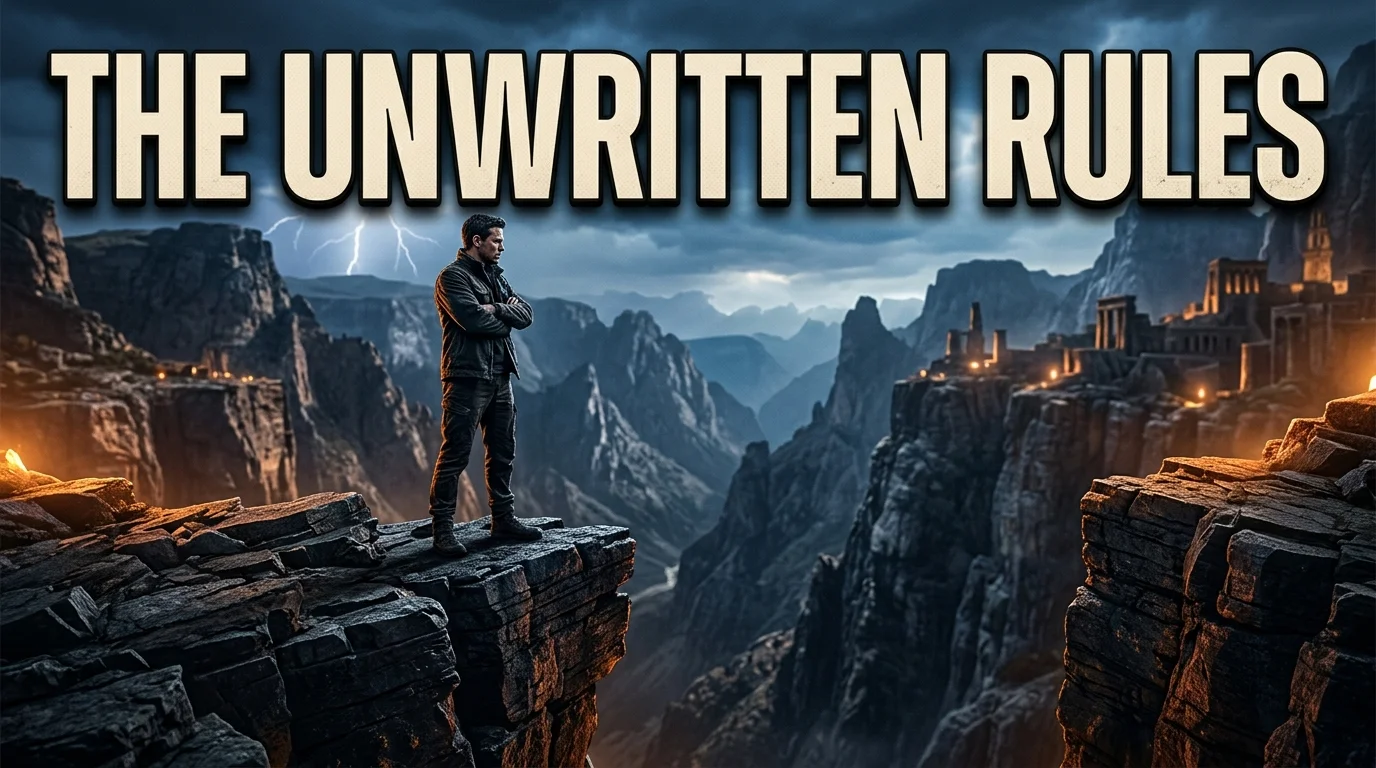
What Is a Metaphor for Bold?
A metaphor for bold is a figurative way of describing courage without using the word “bold” directly. It replaces plain description with symbolic meaning that creates a stronger emotional effect.
For example:
Instead of saying “He is bold,” you can say “He is a storm that never asks permission.”
This type of figurative language is widely used in poetry, storytelling, and descriptive writing. It helps readers understand not just the action, but the emotion behind it. Boldness becomes something visual, like fire or lightning, instead of just a personality trait.
Quick List of Metaphor for Bold Examples
- A roaring lion in silence — fearless presence
- A fire that walks through wind — unstoppable courage
- Steel forged in human form — unbreakable confidence
- A thunderstorm with a heartbeat — powerful energy
- A sword that never bends — firm decision-making
- A sun breaking through storms — visible courage
- A mountain refusing to fall — strong willpower
- Lightning trapped in skin — sudden bold action
- A wolf leading the dark — independent bravery
- A burning torch in endless night — guiding confidence
- An iron heart under pressure — emotional strength
- A hawk diving without fear — sharp courage
- A volcano holding its voice — hidden power
- A comet refusing to slow down — fearless journey
- A shield made of fire — protective boldness
- A river that never stops — unstoppable movement
- A tiger walking into daylight — open fearlessness
- A drum echoing in silence — attention-grabbing courage
- A phoenix rising without fear — reborn strength
- A crown made of flame — leadership energy
Beautiful Metaphors for Bold
Boldness often connects with strong natural forces because courage feels powerful and uncontrollable.
Fire represents action without hesitation.
Storms represent emotional intensity and strength.
Steel represents inner stability under pressure.
Lions represent leadership and dominance in danger.
These literary devices turn simple confidence into emotional imagery that stays in the reader’s mind.
Poetic and Deep Metaphor for Bold Ideas
In poetry, boldness becomes softer, deeper, and more symbolic.
- “Her courage was ink bleeding into the sky of fear.”
- “He wore boldness like sunrise on broken glass.”
- “Their voice was a blade cutting through silence.”
- “She was a match glowing inside a storm.”
- “He moved like thunder learning how to walk.”
These lines mix imagery, symbolism, and emotion to create layered meaning.
Metaphor for Bold in Creative Writing
In creative writing, a metaphor for bold helps build strong characters and emotional scenes.
In stories:
“Even in fear, she stood like a lighthouse refusing the storm.”
In poetry:
“His courage was a fire that forgot how to die.”
In school writing:
“He was a compass pointing straight into danger.”
These examples show how boldness becomes visible instead of just being told.
Metaphor vs Simile
| Feature | Metaphor | Simile |
|---|---|---|
| Meaning | Direct comparison | Indirect comparison |
| Words used | No “like” or “as” | Uses “like” or “as” |
| Strength | Strong emotional impact | Softer expression |
| Example | “He is a lion of courage” | “He is like a lion” |
| Effect | More poetic | More explanatory |
Why People Confuse Metaphors and Similes
Many learners confuse them because both compare ideas. The difference is subtle but important in descriptive writing.
Metaphors remove comparison words and become direct imagery. Similes keep comparison words like “as” or “like,” making them easier to recognize but less intense.
Real-Life Conversation Examples
1. Classroom Writing Help
Student: “How do I make bold sound better?”
Teacher: “Say it is a storm walking in human form.”
🎯 Lesson: Imagery makes writing stronger.
2. Poetry Practice
Student: “My sentence feels plain.”
Teacher: “Turn boldness into fire or steel.”
🎯 Lesson: Symbolism adds emotion.
3. Social Media Caption
User: “I need a bold caption.”
Friend: “Try: ‘Walking like thunder through silence.’”
🎯 Lesson: Short metaphors create impact.
4. Story Writing
Student: “How do I show courage?”
Teacher: “Describe them as a lion stepping into light.”
🎯 Lesson: Nature metaphors show emotion clearly.
How to Create Your Own Metaphor for Bold
To create a strong metaphor for bold, start with emotion first. Think of courage as energy. Then connect it to strong natural or physical symbols.
- Fire = action and passion
- Lightning = sudden bravery
- Stone = stability and strength
- Lion = leadership and fearlessness
Now combine emotion + image:
“Boldness is fire that refuses to sit still.”
Common Mistakes Beginners Make
- Using weak symbols → “bold like paper” → choose strong imagery like fire or steel
- Making sentences too long → keep metaphors short and clear
- Mixing simile and metaphor → “bold like a lion is” → correct: “a lion of courage”
- Repeating same images → use variety for creativity
Related Figurative Language Terms
- Simile — comparison using like/as
- Imagery — creating mental pictures
- Personification — giving human traits to objects
- Symbolism — representing ideas through objects
- Hyperbole — exaggerated expression for effect
These work together with metaphor, figurative language, and creative writing to build strong emotional expression.